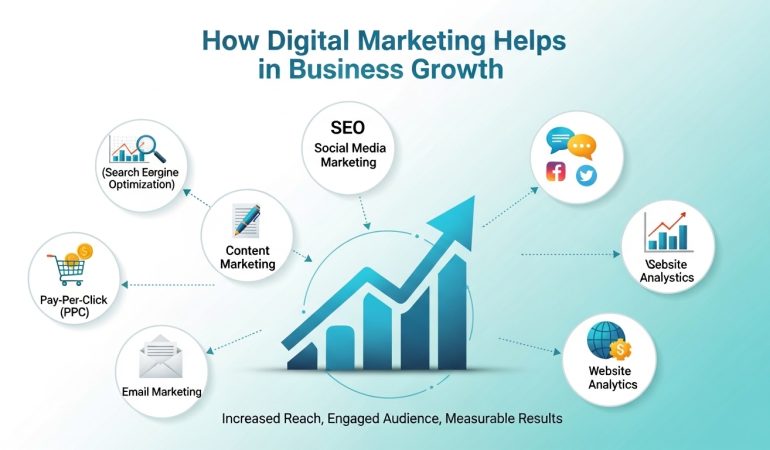
The Ultimate Guide: 15 Powerful Ways How Digital Marketing Helps in Business Growth
In today’s fast-paced world, understanding how digital marketing helps in business growth is no longer optional—it’s essential. Businesses that once relied solely on billboards, newspaper ads, and cold calls now thrive through websites, social media, and online campaigns. Digital marketing has changed the rules of the game. Whether you run a small local shop or a global company, digital tools can open doors you didn’t even know existed.
Let’s explore exactly how digital marketing helps in business growth and why it has become the backbone of modern success.
Introduction to Digital Marketing and Modern Business
Digital marketing refers to promoting products or services using online platforms such as websites, social media, search engines, email, and mobile apps. Unlike traditional marketing, digital marketing allows businesses to interact directly with their audience.
Over the past two decades, the internet has transformed consumer behavior. People now search online before buying anything. They read reviews, compare prices, and explore brands on social media. This shift means businesses must be present where customers spend most of their time—online.
Digital marketing includes:
- Search Engine Optimization (SEO)
- Social Media Marketing
- Content Marketing
- Email Marketing
- Pay-Per-Click Advertising (PPC)
- Influencer Marketing
- Affiliate Marketing
Each method contributes to business growth in unique and measurable ways.
Why Businesses Need Digital Marketing Today
Let’s face it—today’s customers are digital-first. Studies show that more than half of the global population actively uses the internet. Platforms like Google and Facebook influence purchasing decisions daily.
Here’s why digital marketing is crucial:
- 24/7 Online Presence: Your website works even when your store is closed.
- Global Reach: Reach customers worldwide.
- Better Customer Engagement: Real-time communication.
- Competitive Advantage: Stay ahead in your industry.
Businesses that ignore digital marketing risk losing visibility and customers to competitors who embrace online strategies.
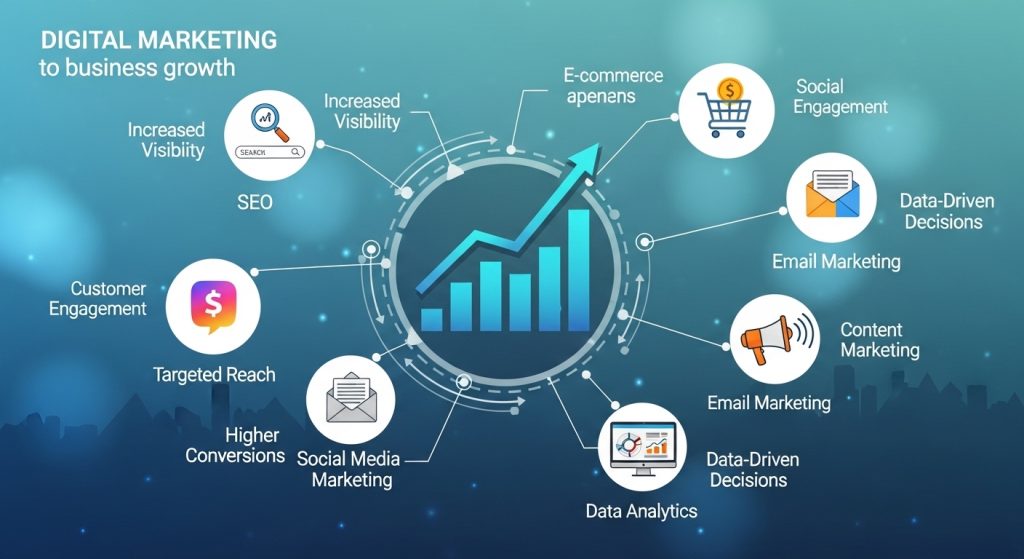
How Digital Marketing Helps in Business Growth
Understanding how digital marketing helps in business growth requires looking at the core benefits it provides.
Increased Brand Awareness
Digital marketing expands your brand visibility across search engines, social media platforms, and websites. The more frequently people see your brand online, the more familiar and trustworthy it becomes.
For example:
- Posting regularly on social media builds recognition.
- Publishing blog articles improves search visibility.
- Running ads increases exposure.
Consistency builds credibility. And credibility builds sales.
Targeted Audience Reach
Unlike traditional marketing, digital marketing allows precise targeting. Businesses can focus on:
- Age
- Gender
- Location
- Interests
- Buying behavior
Platforms like Instagram and LinkedIn offer advanced targeting tools. This ensures marketing budgets are spent wisely, reaching people most likely to convert into customers.
Cost-Effective Marketing Strategy
Traditional advertising (TV, print, radio) can be expensive and difficult to measure. Digital marketing offers affordable options suitable for small and large businesses alike.
Benefits include:
- Lower advertising costs
- Flexible budgeting
- Measurable ROI
- Performance tracking
Even small startups can compete with larger brands using well-planned digital campaigns.
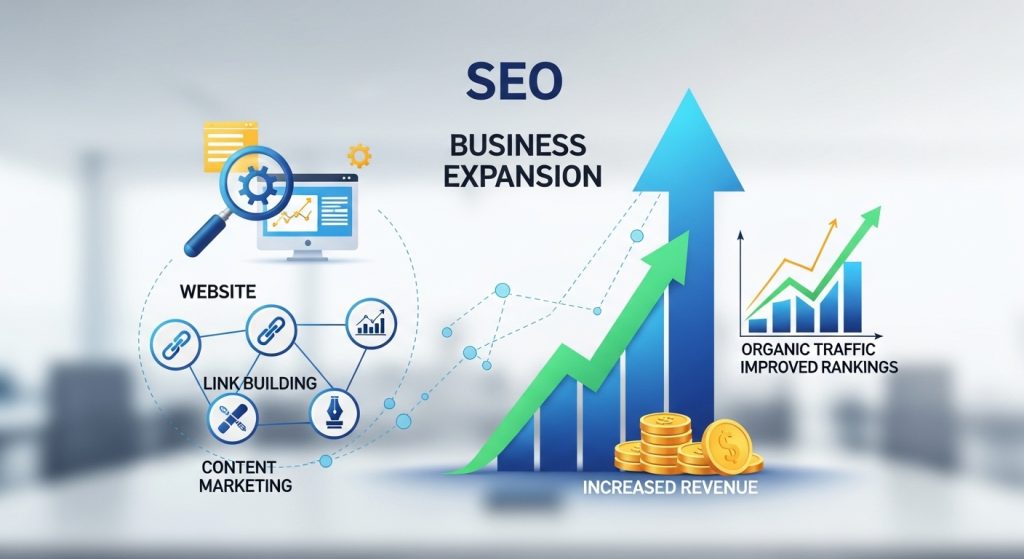
Role of SEO in Business Expansion
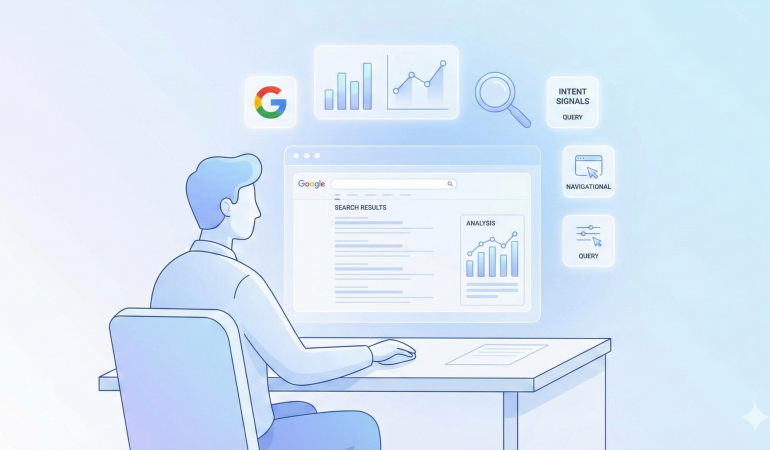
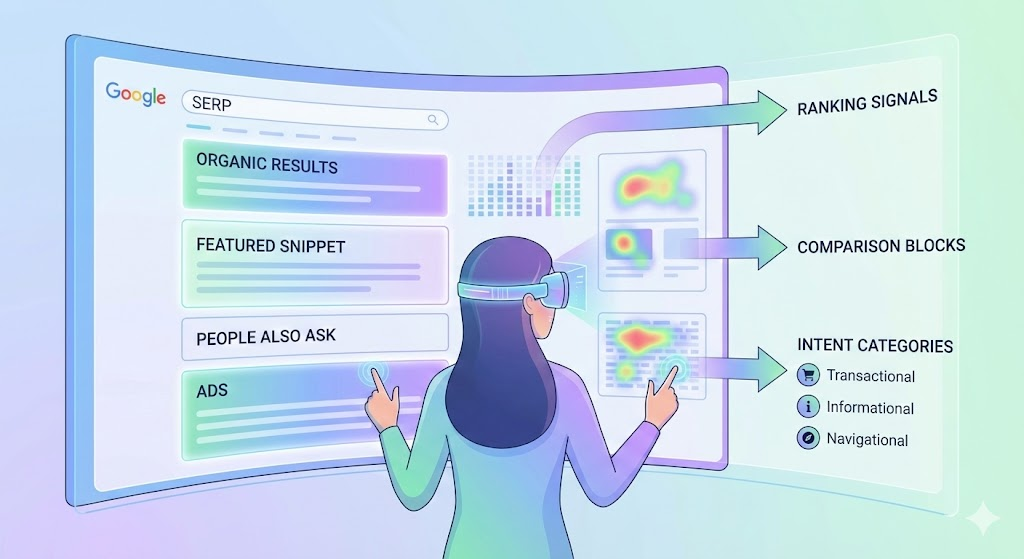
Search Engine Optimization (SEO) plays a critical role in business growth. When customers search for products or services online, appearing on the first page of search results increases trust and traffic.
According to HubSpot, businesses that prioritize blogging and SEO generate significantly more leads.
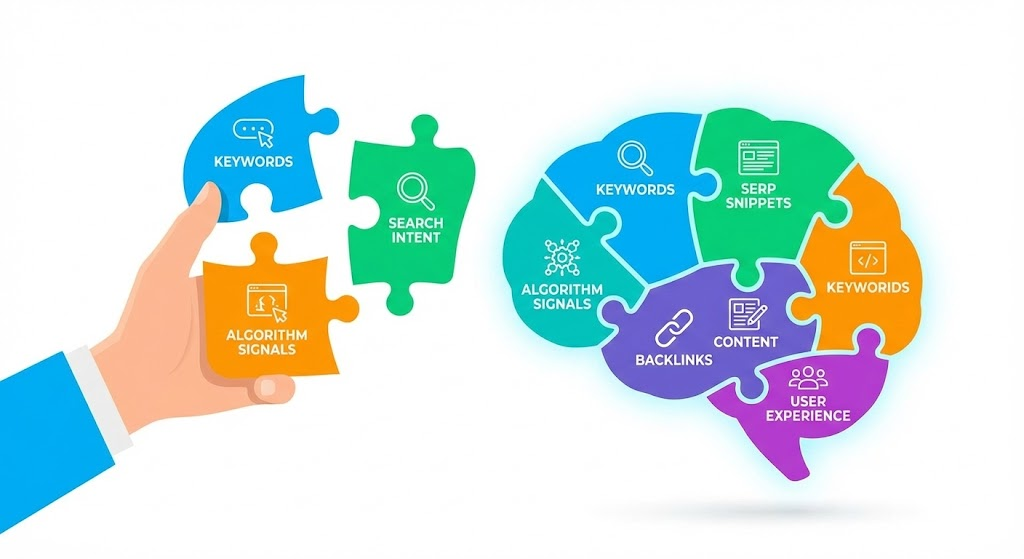
On-Page and Off-Page SEO
- On-Page SEO: Optimizing website content, keywords, and structure.
- Off-Page SEO: Building backlinks and domain authority.
Strong SEO increases organic traffic, which leads to long-term growth without ongoing ad spend.
Local SEO for Small Businesses
Local SEO helps businesses appear in nearby searches. Optimizing a Google Business Profile increases visibility in local map results. This is especially helpful for restaurants, salons, and service providers.
Social Media Marketing for Growth
Social media platforms connect businesses with billions of users worldwide. Engaging content builds relationships, while paid ads increase conversions.
Platform-Specific Strategies
- Facebook – Great for community building.
- Instagram – Ideal for visual branding.
- LinkedIn – Best for B2B marketing.
Social media fosters two-way communication, allowing businesses to respond quickly and build loyalty.
Content Marketing as a Growth Engine
Content marketing involves creating valuable and informative content to attract customers.
Examples include:
- Blog posts
- Videos
- Infographics
- E-books
- Podcasts
High-quality content builds trust and positions businesses as industry leaders. For example, companies often publish educational content through platforms like YouTube to engage audiences.
Content marketing also supports SEO, improving search rankings and driving organic traffic.
For more information on content strategy, visit:
https://blog.hubspot.com/marketing/content-marketing
Email Marketing and Customer Retention
Email marketing remains one of the most effective digital marketing tools. It allows personalized communication with customers.
Benefits include:
- Customer retention
- Repeat purchases
- Exclusive promotions
- Automated follow-ups
Email campaigns nurture leads and turn one-time buyers into loyal customers.
Paid Advertising and PPC Campaigns
Pay-Per-Click (PPC) advertising delivers quick results. Platforms like Google Ads allow businesses to bid on keywords and display ads in search results.
Advantages:
- Instant traffic
- Budget control
- Performance tracking
- Retargeting capabilities
Retargeting reminds users about products they previously viewed, increasing conversion rates.
Data Analytics and Performance Tracking
One major reason how digital marketing helps in business growth is measurable performance. Businesses can track:
- Website traffic
- Conversion rates
- Click-through rates
- Customer behavior
Tools like Google Analytics provide valuable insights. This data allows businesses to refine strategies and improve results continuously.
Digital Marketing for Small vs Large Businesses
Digital marketing benefits businesses of all sizes.
| Small Businesses | Large Businesses |
|---|---|
| Affordable campaigns | Global expansion |
| Local SEO focus | Advanced automation |
| Personalized engagement | Large-scale branding |
The flexibility of digital tools ensures scalable growth.
Common Challenges and Solutions
Every strategy has challenges:
- High competition
- Algorithm changes
- Content saturation
- Budget constraints
Solutions include:
- Continuous learning
- Data-driven decisions
- Diversifying marketing channels
- Hiring experienced professionals
Future Trends in Digital Marketing
The future of digital marketing includes:
- Artificial Intelligence (AI)
- Voice search optimization
- Chatbots
- Video-first strategies
- Automation tools
Businesses that adapt early will enjoy stronger growth.
Frequently Asked Questions (FAQs)
1. How does digital marketing increase sales?
Digital marketing increases sales by reaching targeted audiences and guiding them through a structured buying journey.
2. Is digital marketing suitable for small businesses?
Yes, digital marketing is cost-effective and scalable for businesses of all sizes.
3. How long does it take to see results?
SEO may take months, while paid ads can show results within days.
4. What is the most important digital marketing strategy?
SEO and content marketing are long-term strategies, while PPC delivers faster results.
5. How can social media help business growth?
Social media increases brand awareness, engagement, and customer loyalty.
6. Can digital marketing replace traditional marketing?
In many cases, yes. However, combining both strategies can maximize impact.
Conclusion
In summary, understanding how digital marketing helps in business growth reveals countless opportunities for expansion, engagement, and profitability. From SEO and social media to content creation and data analytics, digital marketing offers tools that are measurable, affordable, and scalable.
Businesses that invest in strong digital strategies gain visibility, build trust, and generate sustainable revenue. The digital landscape continues to evolve—but one thing remains clear: companies that adapt and innovate will thrive in the competitive marketplace.